
Introduction
Running a restaurant isn’t just about good food anymore. Today, many restaurants are using simple digital tools to help every day feel less stressful. Mobile POS systems are part of this new way of working. They aren’t just for big-name spots. Smaller restaurants are putting them to use for lunch rushes, family nights, and late hours.
Mobile POS systems help staff stay active on the floor and keep things sorted in the background. POS integration keeps everything connected. It links mobile devices with existing restaurant systems. Nobody has to start over with new equipment. Instead, the goal is to help different parts work better together. This isn’t just happening in large dining rooms. It’s happening in local kitchens, neighborhood patios, and busy cafes everywhere.
What Is a Mobile POS and How Is It Different?
A mobile POS is like a classic point-of-sale setup, only smaller, wireless, and easy to carry. Instead of crowding around one register or station, servers use tablets or small handhelds right at the guest’s table.
This doesn’t mean restaurants stop using their regular tools. It means they have more options for how to take care of guests. For example:
– Servers can walk to a table, take the order on their device, and send it straight to the kitchen from there.
– No need to memorize orders or dash back to a main counter. Less waiting for everyone.
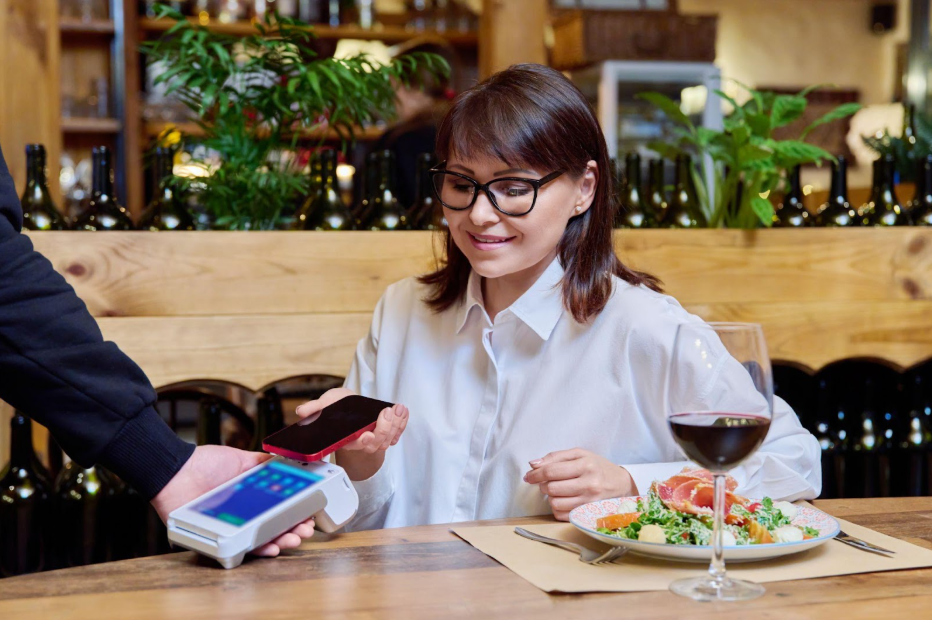
– Checkout can happen right at the table, which makes the end of a meal feel smoother and faster for guests.
With mobile POS, the work feels more natural. Customers don’t sit and wait for staff to return. Staff don’t get stuck behind a counter when there’s work to do on the floor.
How It Fits Into the Flow of a Busy Restaurant
Think about how dinner usually moves along. People come in, get seated, and decide what they want. Now, picture the server greeting everyone and taking orders right on a mobile device. They don’t have to leave the room to punch anything in.
These gadgets send every order to the kitchen instantly. If the room is packed, that’s a big help. Orders don’t get lost on scraps of paper and nobody has to guess what a scribbled note means.
Here’s how it helps:
– No mix-ups between kitchen and floor staff.
– Less waiting for drinks or food.
– Servers handle payments at the table, which makes things quick for guests and keeps everyone happy during the busiest nights.
It means staff can stay focused on the dining room, not run laps to a register. Especially when the place fills up, those small changes really count.
POS Integration: Making Everything Work Together
POS integration is all about helping mobile tools talk to the systems a restaurant already has. For example, some tools link with kitchen screens, payment processors, or online ordering platforms.
One order system keeps everything in its place:
– When online orders come in, they land in the same flow as dine-in tickets.
– The kitchen gets a clear, single list of what’s next, whether it’s a burger for a table or a meal picked up at the counter.
– No one deals with split screens or extra printed notes.
Staff can focus on guests, not on switching between tons of programs. Everything from a delivery order to an in-house meal joins the same path, making life easier during both afternoon lulls and the busiest weekend dinners.
For restaurants that already have a POS system and want to keep using it, integration is a top choice. Instead of swapping all their systems, they can connect new tools to what’s working. App2food, for example, builds integrations that work with many major POS setups already in the kitchen. This lets kitchens and staff see every order—regardless of where it started—on one screen.
Real Benefits Staff and Managers Notice
Staff notice the difference as soon as they switch to integrated tools. Instead of jogging back and forth every few minutes, servers can:
– Stay with their tables longer, answering questions and offering refills
– Enter orders on the spot, cutting down on forgotten items or missed changes
– Close out tickets at the table, so guests leave happy (and other guests can be seated faster)
Managers also get a better view of what’s going on. With integrated POS setups:
– They can see all open and closed orders on one dashboard.
– Details about orders and customers are in one spot, not scattered between systems.
This helps teams fix problems before they grow. For example, if a table has been waiting too long, it’s easy to spot and handle. Or, if a new online order arrives, the kitchen sees it right away instead of hearing about it secondhand.
When busy seasons roll around, this kind of clarity lets teams stay ahead and work together, not against the system.
What Summer Service Looks Like With Mobile Tools
July is prime time for patio dining, outdoor tables, and pop-up events. Mobile POS devices are built for exactly this kind of action.
Servers don’t have to dash inside to check on tickets or place an order. Instead, they:
– Take orders anywhere (sidewalks, rooftops, patios)
– Send them straight to the kitchen whether they’re inside or out
– Speed up service for drinks and small bites when crowds get bigger
With POS integration in place, special summer menus or one-time events don’t cause new problems. Every order, no matter where it starts, drops into the same system. Whether it’s a fresh lemonade stand, a holiday barbecue, or a quick outdoor lunch, staff can track everything from their phone or tablet.
For restaurants using App2food’s tools, there’s also an option to have online orders show up right alongside in-house tickets. That means no extra screens for specialty menus or extra steps for one-night specials. It keeps the summer flow easy to manage and lets teams focus on guests, not tech.
Simpler Tools, Better Service
Mobile POS makes real service easier, not more complicated. And when these mobile tools are brought together with POS integration, the back kitchen and front staff get exactly what they need, right when they need it.
Nobody has to start over or buy all new hardware. Good tools work with what’s already in the restaurant. With the right help, everything syncs up so daily routines feel smooth. Orders show up once, not three times. Kitchen staff see what’s coming without reading a printed ticket. Managers check one dashboard and get the full picture.
The real win comes from spending less time fixing tech and more time making guests feel welcome. Mobile and integrated systems aren’t just for big chains. They fit real restaurants everywhere, helping teams work together so guests keep coming back.
Want to keep your kitchen moving and your servers stress-free? With the right setup, you can make everything work together without starting from scratch. Our tools stay in sync with what you already use, thanks to our smart POS integration that fits right into your everyday flow. At App2food, we help restaurants like yours connect the dots so service runs faster and smoother. Let’s talk through your setup and see how we can help—contact us today.